Forced labor
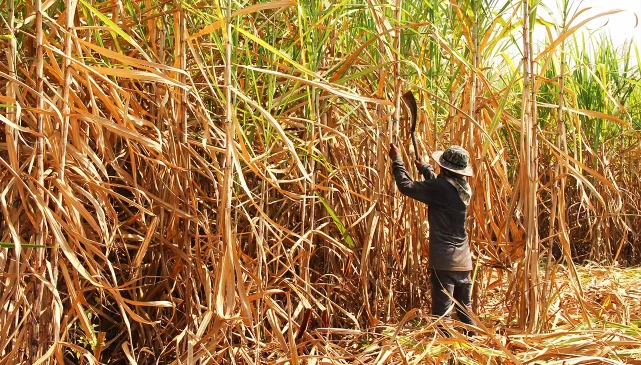

Forced labor is one of the most extreme forms of labor exploitation.
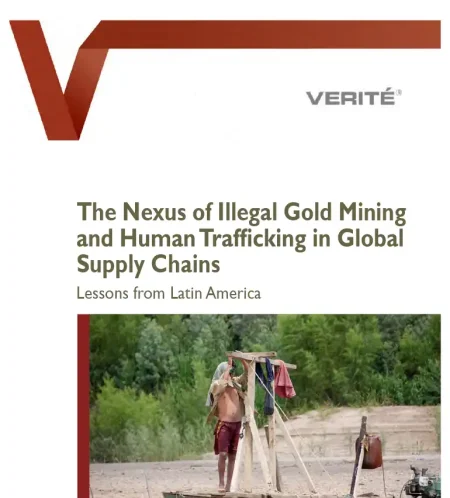
Verité has extensively documented forced labor risks in a wide range of sectors, from illegal gold mines to farms, fishing vessels, and electronics and garment factories.
Beyond harming workers, these abuses threaten businesses through legal liability, broken ethical commitments, and reputational damage.
Core forced labor issues

Debt bondage
Workers worldwide fall into cycles of indebtedness to employers through excessive recruitment fees, human smuggling costs, and debts to company stores, creating dependency that prevents them from leaving exploitative conditions.

Document retention
Employers confiscate identity documents from both international and internal migrant workers to restrict mobility and prevent workers from leaving jobs or filing complaints about labor violations.

Vulnerability of migrant workers
Migration status creates heightened vulnerability to forced labor, with both international and internal migrants facing unique risks of coercion, deception, and limited recourse against abuses.

Business risks
Beyond harming workers, these abuses create significant business risks through:

Legal liability
under import bans and human rights due diligence laws

Broken commitments
to buyers that can compromise customer relationships and future sales

Reputational damage
that can lead to reduced consumer demand

Supply chain disruption
that can halt production and increase operational costs
Our strategic solutions
Verité partners with companies to identify, prevent, and address forced labor risks through comprehensive systems-level approaches.
Human rights due diligence consulting

We strengthen company due diligence systems to ensure compliance with labor laws while protecting them from reputational risk.
Learn more about this serviceSupplier and workplace assessments

Our in-depth assessments identify forced labor risk factors and high-risk suppliers to inform the development of targeted improvement plans
Learn more about this serviceCountry and sector-level research
We uncover not just where forced labor risks exist, but the specific practices and root causes that must be addressed, including:
- Employer practices (recruitment fees, document retention)
- Structural root causes (weak enforcement, economic pressures)
CUMULUS Forced Labor Screen™

Our patented technology maps cross-border labor supply chains, proactively screening operations against ILO forced labor indicators to support due diligence aligned with international standards.
Learn more about CUMULUSMulti-stakeholder collaboration

We convene governments, businesses, civil society, and workers to work in collaboration through multistakeholder initiatives that advocate for solutions to prevent and end all forms of forced labor and human trafficking.
Featured project
Forced Labor Indicators Project (FLIP)
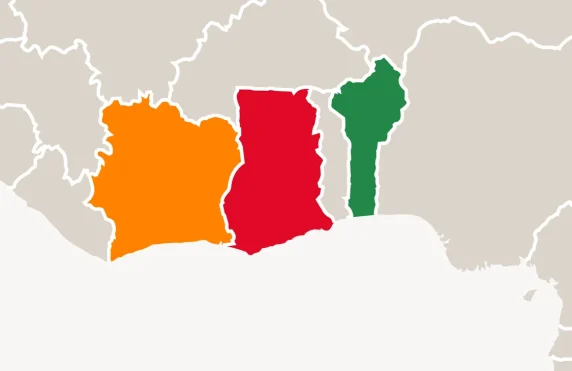
The Forced Labor Indicators Project equips stakeholders in Benin, Ghana & Côte d’Ivoire with tools and training to identify and combat forced labor risks.
Featured project
Cooperation On Fair, Free, Equitable Employment (COFFEE)
The COFFEE Project pilots tools, training & a risk dashboard in Brazil, Colombia & Mexico to eliminate labor abuses and improve coffee-sector conditions.

Featured project
Senderos Project
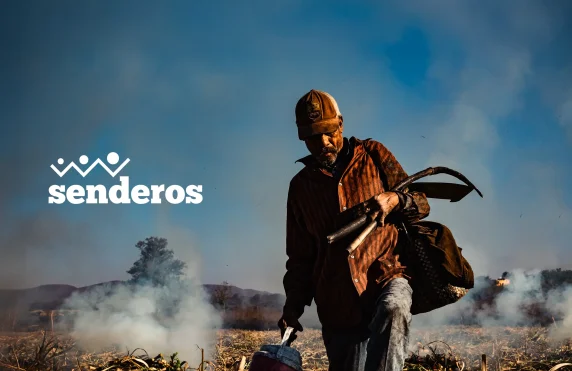
A four‑year initiative in Mexico’s sugarcane & tobacco sectors empowering government, companies, and farmworkers to enforce labor rights, prevent child and forced labor, and improve health, safety, and grievance tools.